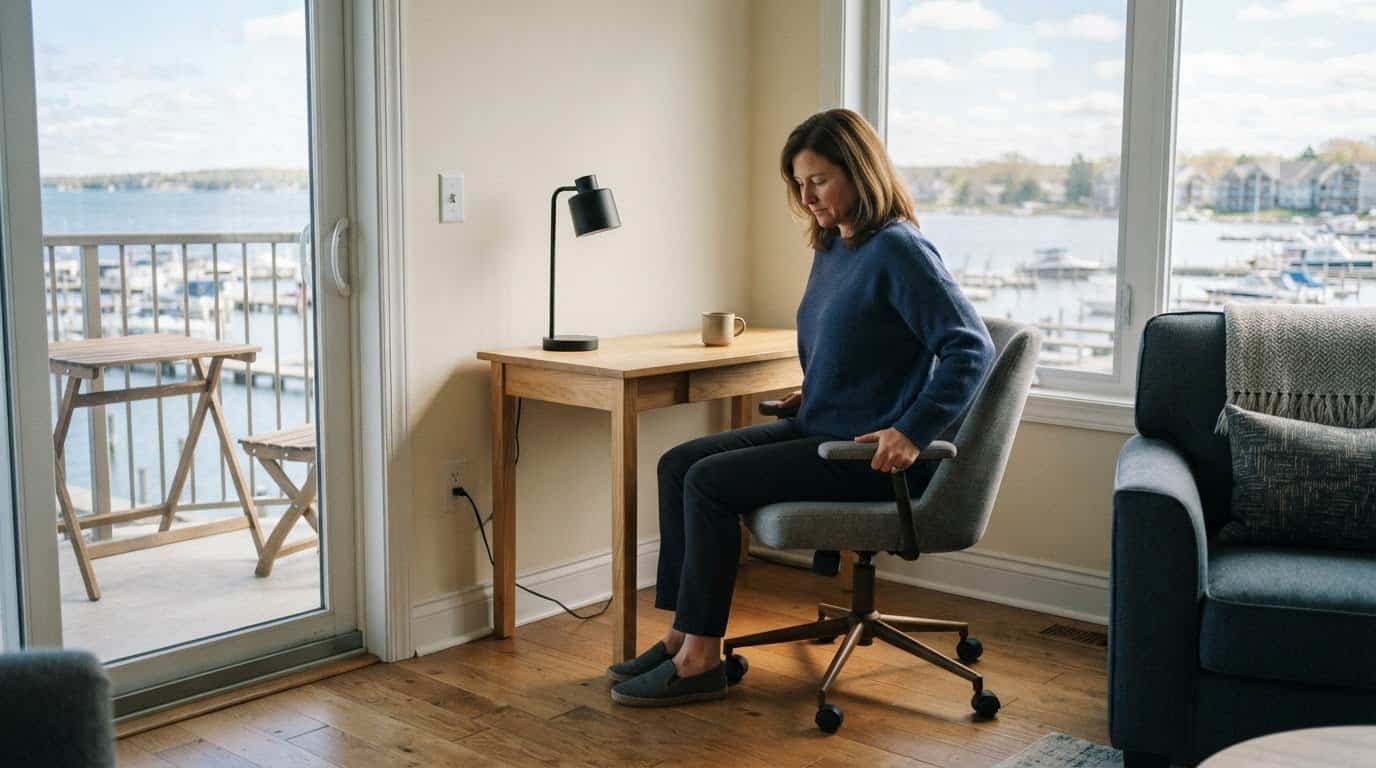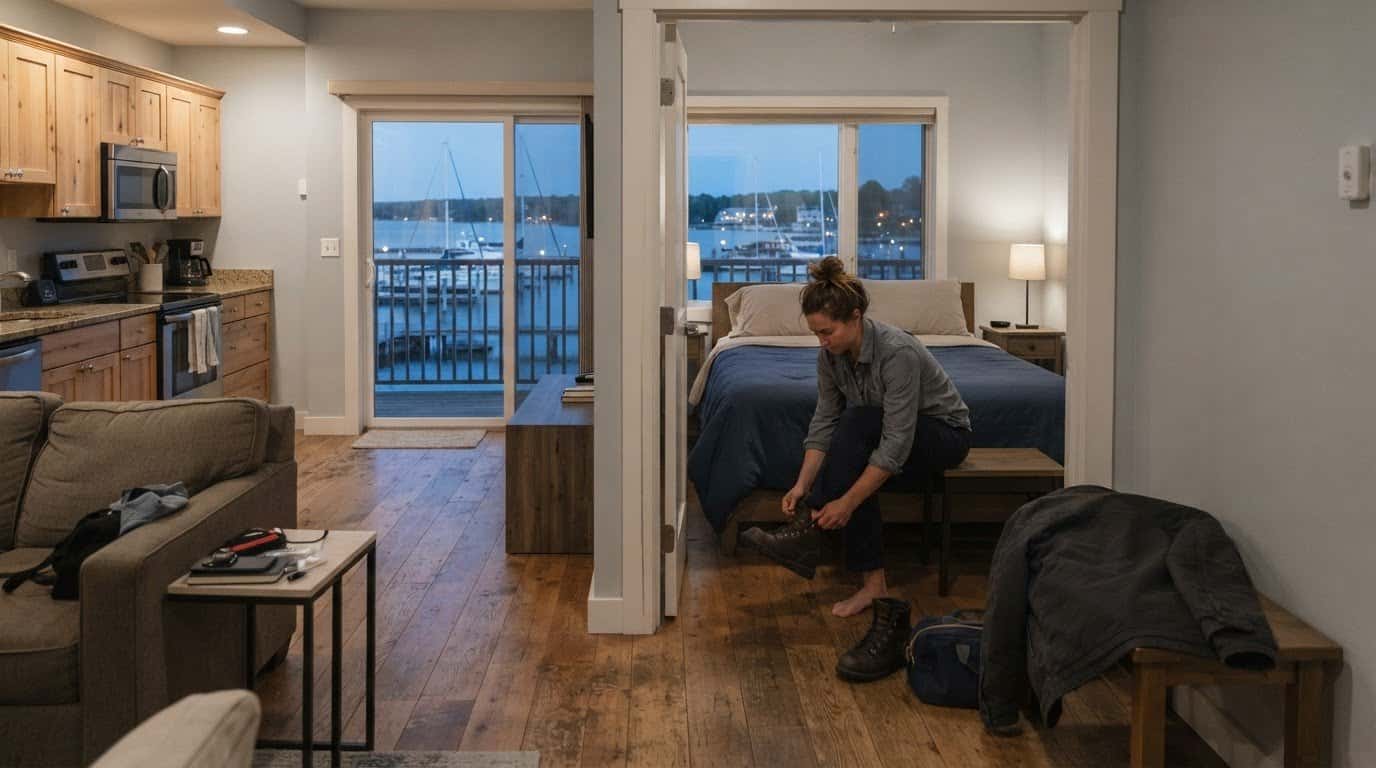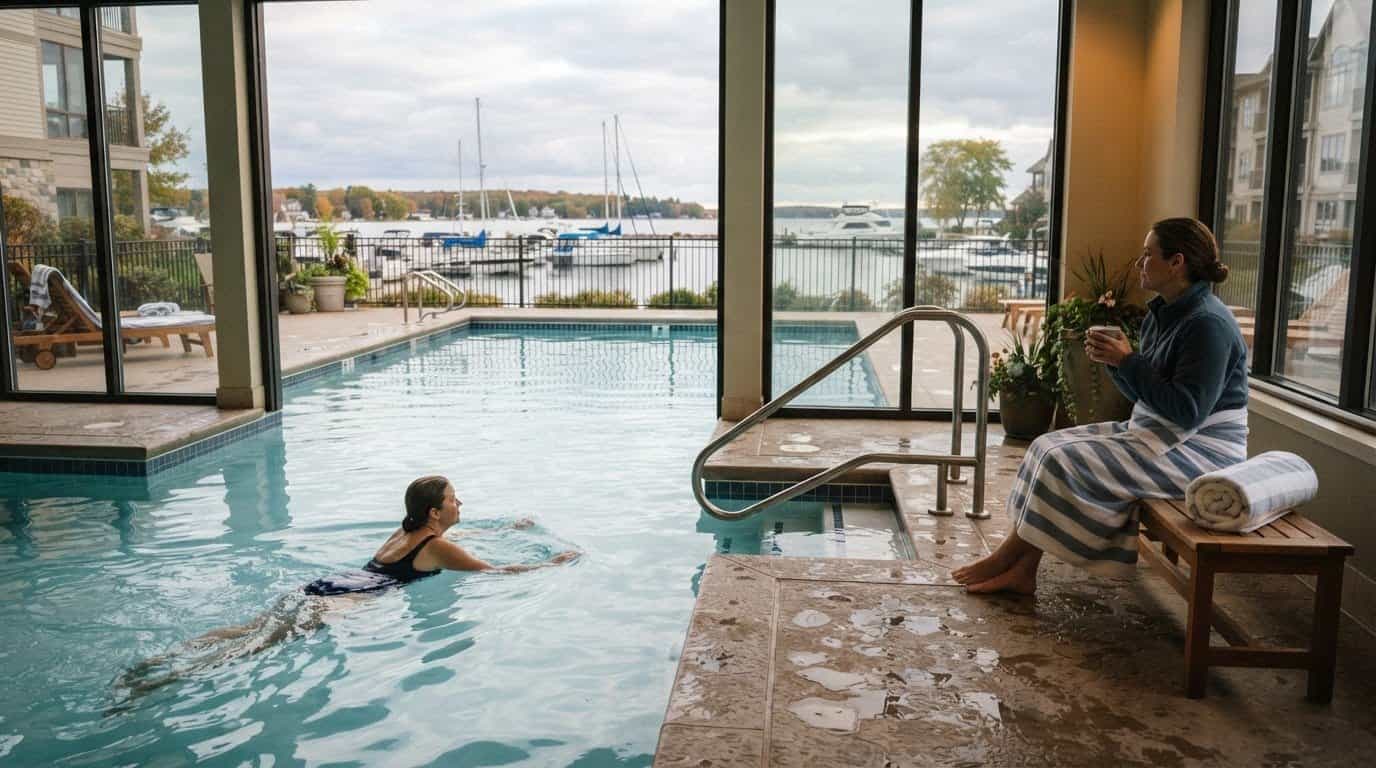
A pool may be an amenity you barely use, or the part of your stay that makes it feel like a true escape. Is a hotel with a pool worth it? Yes, when swimming or relaxing poolside is part of your plans. If you’ll spend most of your time exploring, it may add little value.
Weigh the cost against how often you’ll swim, whether the pool suits your group, and whether its setting and access hours fit your plans. An indoor pool can offer welcome downtime on a changeable day, while an outdoor pool can make warm-weather relaxation easy. This guide explains when pool access is worth paying for, how to assess practical details, and which amenities suit different trips. Focus on what you’ll actually enjoy, rather than paying for a feature that may go unused.
Key Takeaways
- Weigh pool time against your itinerary: a packed city or event trip may leave little room to swim.
- Use photos and guest reviews to judge whether a pool’s size, setting, and atmosphere suit your plans.
- Choose amenities around the trip you’re taking, from convenient downtime to space for a longer stay.
- For a warm-weather getaway, consider how a pool could become part of the day rather than an occasional extra.
1. When a pool is unnecessary on city breaks or event trips
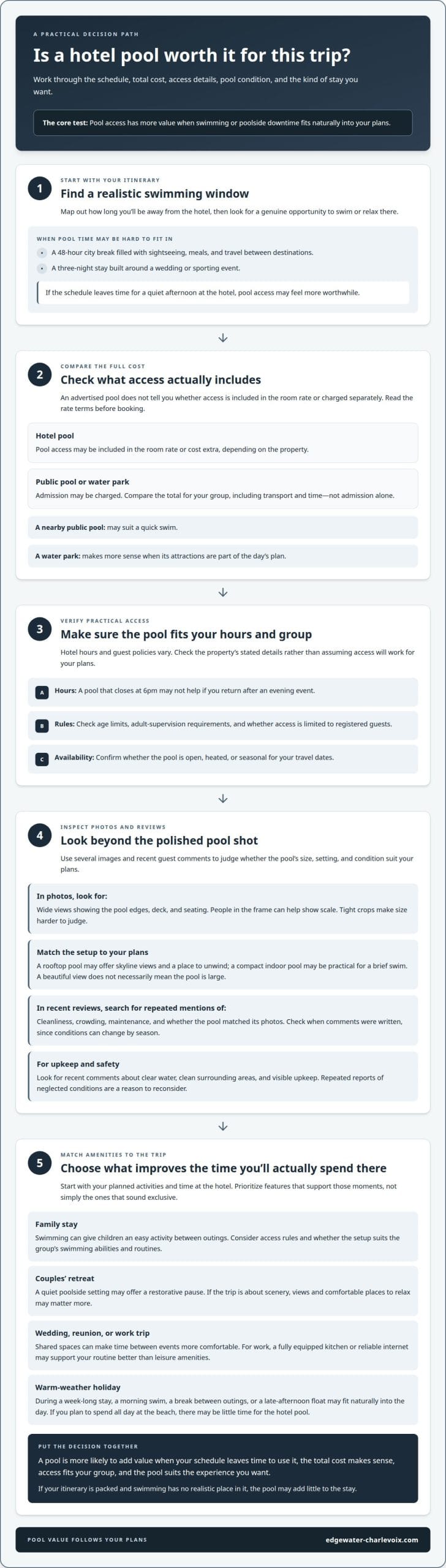
On a 48-hour city break, sightseeing, meals, and travel between destinations can fill most waking hours. If your itinerary takes you from a museum to a concert, the hotel pool may have little practical value. The same applies to a three-night stay built around a wedding or sporting event. In those cases, paying extra for an amenity you might not use can be hard to justify. Map out your planned days first, then consider whether swimming has a real place in them.
Hotel pools, public pools, and water parks have different costs. A hotel may include pool access in the room rate or charge separately, while public pools and water parks may charge admission. Compare the total cost for your group, including transport and time, rather than looking at admission alone. A nearby public pool may suit a quick swim; a water park makes more sense when its attractions are a planned part of the day.
Pool access may be included in the room rate or charged as an extra, depending on the property. Before booking, read the rate terms for details: an advertised pool doesn’t tell you what access will cost.
Hours and guest rules also vary by hotel. A pool closing at 6pm, for example, won’t help guests returning after an evening event. Age limits, adult supervision rules, and access for registered guests can differ by property, so review the hotel’s stated policies before choosing a stay.
Use a simple itinerary test: note how long you’ll be away from the hotel, then identify a realistic swimming window. If a conference keeps you out until evening or a city tour leaves time only to sleep, the pool is unlikely to shape your trip. If you’ve planned a quiet afternoon at the hotel, access may feel more worthwhile. What matters is whether your schedule leaves time to enjoy it.
2. Assessing pool size and quality from photos and reviews
Polished photos can make hotel pools look spacious, so compare several images before deciding. Look for wide shots that show the pool’s edges, surrounding deck, and nearby seating. People in the frame offer a useful sense of scale. If every image is tightly cropped, it’s hard to tell whether the pool suits relaxed swimming or just a quick dip.
Match the pool’s design to your plans. A rooftop pool may offer skyline views and a place to unwind, while a compact indoor pool may be more practical for a brief swim. Check whether photos show features you value, such as nearby seating and clear access around the water. A beautiful view doesn’t necessarily mean the pool is large.
To find out whether a pool is open, heated, or seasonal, read the hotel’s pool details for your travel dates and compare them with recent reviews. Look for specific information about the season, temperature, or temporary closures rather than relying on an undated photo.
Reviews can reveal details a photo gallery misses. Search recent comments for repeated mentions of cleanliness, crowding, maintenance, and whether the pool matched its photos. One review may reflect a single visit; similar observations across several reviews offer a clearer picture. Check when each comment was written, since older feedback may describe a different season or facility condition.
For safety and cleanliness, look for recent guest comments about clear water, clean surrounding areas, and visible upkeep. Photos can also show whether the deck appears orderly and whether access looks easy to navigate. Treat repeated reports of neglected conditions as a reason to reconsider, rather than assuming attractive photography tells the whole story.
Use the same close-reading approach for the hotel’s other features. A look at waterfront hotel amenities can help you weigh the pool within the wider stay.
3. Choosing amenities to match the planned trip
Start with the days you’ll spend at the hotel, then prioritize amenities that support your plans. For a weekend centered on hiking, a convenient place to rest may matter more than a pool. For a relaxed lakeside escape, swimming, a balcony, and room to unwind can shape the experience. Choose features you’ll use, not just those that sound exclusive.
A hotel pool can be worthwhile for families when swimming offers children an easy activity between outings. It gives everyone a shared way to unwind without planning another destination. Consider whether the pool’s access rules and setup suit your group, especially if children have different swimming abilities or routines.
For a couples’ retreat, consider the mood you want. A quiet poolside setting may offer a restorative pause after exploring local shops or galleries, while a busy schedule of dining and cultural activities may leave little time for swimming. If the trip is about scenery, prioritize views and comfortable places to relax. If it’s about activity, look for amenities that support your plans.
A wedding or reunion changes the calculation. Shared spaces can make time between scheduled events more comfortable, while a pool may matter less if the itinerary is full. For a work trip, practical features such as a fully equipped kitchen or reliable internet may support your routine better than leisure amenities. Match each feature to a specific moment in your trip.
Before booking, make a short list with three columns: planned activities, time at the hotel, and features that would improve those hours. A family might prioritize pool access and space to gather; a couple might choose a balcony and water views; an event guest might value convenient downtime. Compare your options against the list. The best fit complements your plans instead of adding features you won’t use.
4. Pool value for hot-weather and resort holidays
During a week-long warm-weather holiday, a hotel pool can become part of your daily rhythm, not just an occasional extra. A morning swim, a break between outings, or a quiet late-afternoon float can make it easy to enjoy time at the hotel. The more naturally swimming fits your plans, the more valuable pool access may feel.
Picture a typical day. If you plan to spend all day at the beach, you may have little time for the hotel pool. If your itinerary leaves room to return for a restful break, a swim can make that pause feel like part of the vacation. Consider who’s travelling, too: a shared swim may suit a family, while a quiet poolside hour can appeal to guests seeking a slower pace.
Look beyond the pool itself when weighing its value. A comfortable place to sit, a pleasant view, and easy access from your room can make short visits more appealing. On a hot afternoon, even a brief swim can break up a day of sightseeing. By contrast, a pool that doesn’t fit your routine may add little, even at a resort.
To decide, sketch a typical day and mark when you’d realistically swim. Include time for meals, excursions, and rest, then see whether the pool fits without rushing. If swimming features in several days of your trip, it may be a useful part of your stay. If it competes with activities you’re most excited about, prioritize those instead.
For a summer getaway, leave room for both outdoor activities and unhurried time at your hotel. That balance can make pool access feel like a natural part of the holiday, rather than another item on your itinerary.
Edgewater Inn
The Edgewater Inn can be a natural fit when you want pool time alongside a waterfront stay. Its indoor/outdoor pool offers a place to unwind between local outings and time by the water. Choose between a One Bedroom Suite and a Two Bedroom Suite based on your travel group and the space you prefer.
If a pool is central to your getaway, weigh it alongside the setting and the time you expect to spend at the property. For celebrations, Wedding Venue Packages offer another way to bring a special gathering into your trip. The right choice depends on how you want your days to feel, from relaxed swims to time by the water.
Contact Edgewater Inn to discuss which stay best suits your plans.
Plan a stay that feels like your own
As you plan your getaway, picture the moments you want to make room for: a slow morning, a swim before dinner, or an unhurried pause beside the water. That can help you decide whether a hotel with a pool is worth it for your plans, or whether another kind of comfort matters more. Choose amenities that support the way you want to travel, not simply because they appear on a list.
For a scenic waterfront escape, consider the atmosphere you want to return to after a day of exploring. A great destination hotel offers a setting where time by the pool can complement a relaxed stay and the surrounding scenery. If you are planning a special trip or celebration, contact Edgewater Inn about your stay to discuss your plans and find the ideal accommodations.
Choose the details that help you settle in, then enjoy the trip at your own pace.
Frequently Asked Questions
Is a Hotel With a Pool Actually Worth Paying More For?
Whether a hotel with a pool is worth it depends on how swimming fits your plans and what the added expense would replace. Pool access may suit a stay where you want an easy way to spend downtime without arranging another outing. If you’d barely use the pool, put that budget toward a feature you’ll enjoy more, such as a more comfortable room or a better location.
How much more do hotels with pools cost on average?
The added cost varies with destination, season, room category, and whether pool access is included in the rate or charged separately. For a useful comparison, look at equivalent room types for the same travel dates, then compare the full stay total. Nightly rates alone may not reflect separate pool charges or other fees included in the booking terms.
How much does a hotel pool add to the total vacation value?
Think of value as more than an added feature. Ask whether the pool replaces an outing, makes downtime easier, or gives your group an activity close to the room. Compare the stay’s extra cost with how often you expect to swim and how much convenience matters. If access makes it easier to enjoy your trip, it may feel worthwhile beyond the numbers.
What factors make a hotel pool worth paying extra for?
Useful factors include convenient access, hours that fit your schedule, a pool environment suited to your group, and a comfortable place to spend time nearby. Travel season matters too, especially if an outdoor pool is seasonal. Consider whether the pool complements the reason for your trip, rather than judging it by attractive photos or the number of amenities alone.
Is a hotel with a pool worth it for a short stay or business trip?
For a short stay or business trip, consider a pool if you’ll have a realistic window to use it. An early meeting, late event, or tightly planned itinerary can leave little free time. If your schedule allows a swim before work or after meetings, pool access can offer a convenient break without adding another stop to your day.