After a long afternoon spent navigating the transit of modern travel, you finally turn the key only to be greeted by the sterile hum of an unfamiliar space. It’s a jarring transition that often highlights the exhaustion of living out of a suitcase rather than the joy of the destination. You aren’t alone in this feeling. With 71 percent of travelers in 2025 expecting more personalized services, the desire for a space that reflects your own identity has never been stronger. Learning how to make a hotel room feel like home is the secret to moving past the transient nature of travel and into a state of immediate relaxation.
By embracing a few professional design secrets and sensory rituals, you can easily transform a standard lodging into a private, residential sanctuary. This guide explores how to reclaim your personal space through scent control, soft lighting, and the simple luxury of a morning routine on a private balcony overlooking the water. Whether you’re seeking better sleep through environment control or the comfort of a home-cooked meal in a fully equipped kitchen, these tips ensure you maintain a sense of normalcy. Prepare to discover how a few intentional choices can turn any suite into a gateway for a truly restorative experience.
Key Takeaways
- Understand the psychology of territorial marking to overcome the restlessness often triggered by sterile, institutional settings.
- Banish the visual stress of the suitcase ghost by fully unpacking into closets and drawers, reclaiming your floor space and your peace of mind.
- Discover how to make a hotel room feel like home by layering sensory anchors like familiar scents and soft, warm lighting that mimics your own living room.
- Reestablish your daily rhythm by utilizing a fully equipped kitchen to enjoy the simple, grounding luxury of a home-cooked meal or fresh coffee.
- Create a morning sanctuary on your private balcony to ground yourself in the local scenery and start each day with a sense of quiet purpose.
Establishing a Sense of Place and Belonging
Stepping into a standard hotel room often triggers a subtle sense of unease, a phenomenon known as the uncanny valley of hospitality. While the linens are crisp and the surfaces are polished, the space feels devoid of a personal narrative. This sterility can trigger restlessness because the human brain is wired to scan for familiar cues in its environment. When these cues are missing, we remain on edge, unable to fully descend into the relaxation we crave.
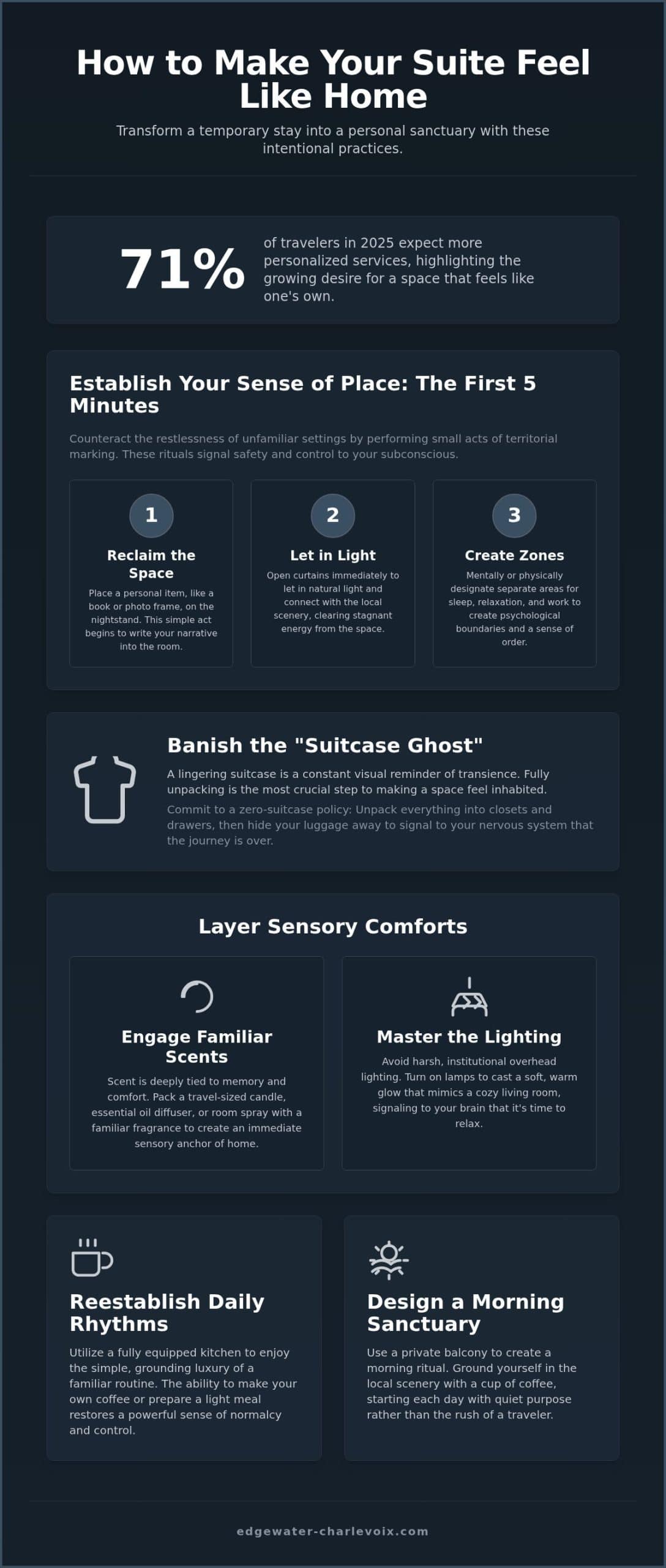
By understanding the psychological concept of ‘home’, travelers can begin to bridge the gap between a temporary stay and a true sanctuary. Engaging in small acts of territorial marking, such as placing a personal book on a nightstand or arranging your own toiletries, signals to your subconscious that you are safe and in control. This intentionality is the first step in learning how to make a hotel room feel like home. It’s about reclaiming your environment before you even unzip your bags.
To better understand this concept, watch this helpful video:
Choosing residential-style lodging, such as one bedroom suites, provides an immediate emotional foundation that a cramped standard room simply cannot match. These spaces offer a familiar layout that naturally facilitates a grounding five-minute arrival ritual. Upon entering, take a moment to orient yourself to the floor plan. Open the curtains to view the local waterways and clear any stagnant energy by letting in the natural light. This orientation helps you claim the space as your own, rather than remaining a transient visitor.
The Psychology of Temporary Spaces
When we sleep in an unfamiliar environment, the brain often remains in a state of high alert, which is a survival mechanism left over from our ancestors. Providing your mind with clear visual landmarks within a suite can significantly reduce this cognitive load. By having separate living and sleeping quarters, your brain recognizes the distinct boundaries of rest and activity. A separate living area mimics the psychological safety of a permanent residence by creating a dedicated space for relaxation away from where you sleep.
Initial Room Audit and Function Check
Before you fully settle in, conduct a brief audit to test the flow of your new environment. Walk from the entrance to the bed to identify any obstacles or awkward transitions that might disrupt your peace. You should establish specific zones for work, relaxation, and sleep to maintain a sense of order throughout your stay. Don’t be afraid to adjust the furniture; moving a chair toward a window with a water view or shifting a lamp can better suit your personal movement patterns. These small adjustments to the amenities available to you can enhance your overall sense of ease and comfort.
Mastering the Art of Unpacking and Organization
Arrival is more than just crossing the threshold; it’s the conscious decision to inhabit a space rather than merely occupy it. Leaving your luggage splayed across a chair or the floor creates a visual ‘suitcase ghost’ that haunts your peripheral vision, constantly reminding you of the transient nature of your stay. This visual clutter generates a low level of background stress that prevents your mind from fully settling into its new surroundings. By committing to a thorough unpacking process, you begin the essential work of how to make a hotel room feel like home.
When you take the time to organize your belongings, you essentially Create a Healing Environment that reduces cognitive load and promotes a deeper sense of security. Tucking away the cords and devices into a dedicated ‘tech station’ ensures that the modern world doesn’t intrude upon your peace. This simple act of containment allows the residential features of your suite to shine, shifting the focus from the logistics of travel to the comfort of the destination.
The Zero-Suitcase Policy
By tucking your luggage out of sight in a closet or under the bed, you effectively signal to your nervous system that the journey has concluded. Utilizing packing cubes as modular drawers within hotel dressers makes this transition seamless and keeps your wardrobe organized without the need for constant rummaging. There is a profound psychological benefit to seeing your own clothes hanging in a closet; it transforms a generic room into a personal dressing area. This ritual anchors you to the space, making the transition between your daily activities feel fluid and natural.
Reclaiming the Vanity and Nightstand
Clearing away the standard hotel brochures and menus is a vital step in personalizing your environment. These items are often reminders of the institutional side of hospitality and can be replaced with a personal ‘bedside sanctuary’ consisting of your favorite book and a glass of water. In the bathroom, arranging your toiletries to mirror your morning vanity routine at home provides a sense of continuity that is deeply comforting. This familiarity reduces the friction of travel, allowing you to move through your morning with ease. For those seeking a space designed with these residential needs in mind, exploring premier vacation rentals can provide the perfect canvas for your personal rituals. Small details, like the placement of a familiar scent on the nightstand, turn a temporary lodging into a true sanctuary.
Layering Sensory Comforts to Transform the Atmosphere
Beyond the physical organization of your belongings, the invisible elements of a room dictate your emotional state. To truly master how to make a hotel room feel like home, you must address the sensory landscape with the same care you would your own residence. Harsh, institutional lighting and the sterile silence of a corridor can keep the mind in a state of high alert, preventing true rest. By layering soft light, familiar scents, and comforting sounds, you transform a generic space into a deeply personal sanctuary that invites immediate relaxation.
Lighting Design for Travelers
Upon entering your suite, resist the urge to flip the main overhead switch. These big lights often cast unflattering, clinical shadows that reinforce a sense of being in a public space rather than a private retreat. Instead, rely exclusively on bedside lamps and floor lighting to create a warm, residential glow that mimics the evening atmosphere of your own living room. Circadian lighting refers to artificial light designed to follow the natural sleep-wake cycle of the human body, which is essential for reducing travel-induced insomnia and resetting your internal clock. Utilizing blue light filters on your devices or portable dimmers can further signal to your brain that it’s time to unwind.
Scent and Soundscapes
The power of olfaction is perhaps the most direct route to emotional regulation during your travels. By using a small travel diffuser or a room spray with home-like notes, such as lavender or sandalwood, you can trigger an immediate relaxation response in your nervous system. Scent memory is a potent tool. By using the same fragrance you enjoy at home, you effectively train your brain to feel safe and grounded in new cities. This olfactory anchor works in tandem with acoustic layering to create a private world that feels entirely separate from the guest rooms nearby.
To mask the unpredictable sounds of a hotel corridor or the rhythmic hum of a bustling city, consider using a white noise app or a curated, familiar playlist. These soundscapes act as a protective barrier, allowing you to maintain your focus or drift into a restorative sleep without interruption from the outside world. Finally, don’t underestimate the profound impact of tactile comfort on your psyche. Tucking a small, familiar textile like a silk pillowcase or a lightweight pashmina into your travel bag provides a physical touchpoint of home that grounds you. These small additions, when paired with the premium amenities and scenic water views of a sophisticated suite, ensure your environment is as comforting as it is luxurious.
Utilizing Kitchen Spaces for Familiar Culinary Rituals
While soft lighting and familiar scents set the stage, the presence of a kitchen provides the true emotional heart of a residence. In a standard hotel room, you’re often limited to takeout or room service, which can quickly feel repetitive and impersonal. By choosing one-bedroom suites with fully equipped kitchens, you gain the ability to maintain your most grounding daily rituals. This autonomy is a cornerstone of how to make a hotel room feel like home. The simple act of preparing a light snack or storing your favorite beverages in a full-sized refrigerator provides a sense of normalcy that a mini-bar simply cannot replicate. It’s a way to reclaim your health and your routine while overlooking the serene beauty of the local waterways.
Creating a small pantry of familiar snacks and beverages is a professional traveler secret that pays dividends in comfort. When you arrive, consider a quick trip to a local market to stock up on the items that make you feel at home, whether it’s a specific brand of sparkling water or the ingredients for a favorite evening tea. Having these items on hand prevents the frustration of late-night hunger and reinforces the feeling that this space is truly yours. It transforms the suite from a place where you’re staying into a place where you’re living. This level of preparation ensures that your environment remains a supportive sanctuary throughout your stay.
The Ritual of the Morning Brew
Instead of relying on the plastic-wrapped cups and single-serve pods common in many hotels, take the time to set up a coffee or tea station that mirrors your home setup. Using real ceramic mugs instead of disposable ones offers a tactile weight that signals a slower, more intentional start to your day. In the quiet of the morning, the sound of water boiling or the aroma of fresh grounds fills the living area, grounding you in the present. This slow pace allows you to enjoy the view from your balcony before the day’s activities begin. It’s about the simple joy of a hot drink in a familiar vessel. The ritual of the brew is often the first step in reclaiming your morning sanctuary and establishing a sense of place.
Simple Suite Cooking Strategies
Planning low-effort, high-comfort meals requires minimal ingredients but yields significant emotional rewards. A simple pasta dish or a fresh salad prepared in your own kitchen area reduces the fatigue of travel and the heavy feeling of constant restaurant dining. For families or groups, the social benefit of a dedicated dining area is immense, providing a space to gather and share stories without the distractions of a public venue. It allows for a level of intimacy and connection that a restaurant table cannot offer. Understanding how to make a hotel room feel like home often comes down to these shared moments over a meal. When you do wish to explore the local culinary scene, you can easily venture out to the nearby dining and bars for a taste of the region’s vibrant culture. To enjoy the flexibility of a private kitchen during your next waterfront stay, explore our residential-style suites today.
Designing Your Evening Ritual and Morning Sanctuary
As the sun begins its descent over the shimmering local waterways, the focus of your stay shifts from the activity of the day to the restoration of the night. Establishing a personal evening ritual is perhaps the final, most essential step in how to make a hotel room feel like home. By intentionally preparing your environment for a restful return, you eliminate the jarring transition from a bustling evening out to a quiet, unfamiliar room. This process begins with a self-curated turn-down service that signals the end of your public day. Simple acts, such as dimming the bedside lamps, pulling back the linens, and clearing any remaining clutter from the day, ensure that your return is met with a sense of immediate invitation. To further protect your peace, consider designating the bedroom as a digital-free zone. By keeping chargers and devices in the separate living area, you create a dedicated sleep sanctuary where the mind can truly disconnect from the persistent hum of the outside world.
The Balcony as an Outdoor Living Room
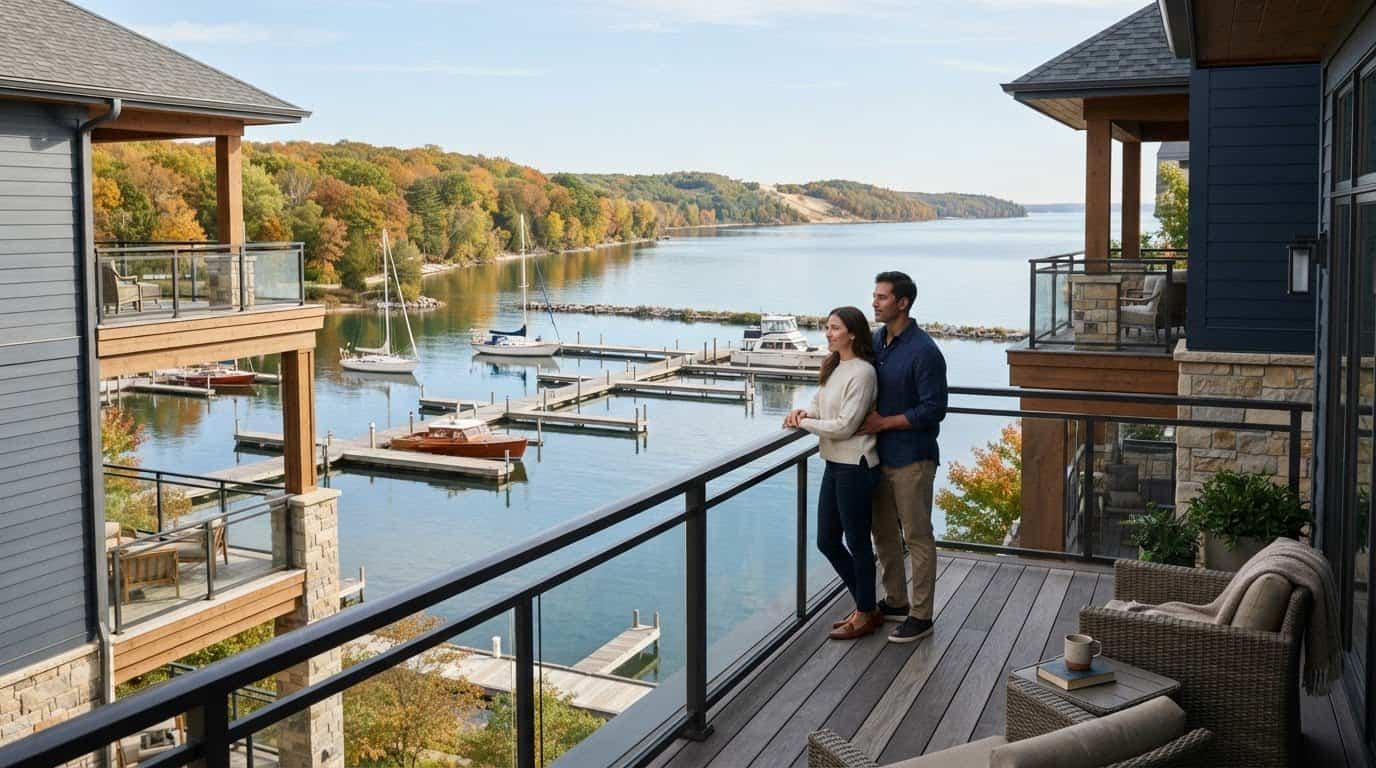
Opening the sliding doors to a private balcony transforms your suite from a simple accommodation into an expansive outdoor living room. Whether you’re engaging in a few moments of morning meditation or reflecting on the day’s events under the stars, this connection to the natural environment provides a profound sense of peace. The gentle movement of the water and the crisp, regional air act as a natural reset for the nervous system, grounding you in the unique beauty of the area. Stepping through the threshold, you experience a seamless transition from the cozy, residential warmth of your living room to the breathtaking, scenic beauty of the waterfront. This outdoor space becomes a personal sanctuary for morning and evening rituals that anchor your stay.
Establishing a Sleep Sanctuary
Maintaining a consistent wake-up routine is equally vital for preserving a sense of normalcy while on the road. In the separate living area of a one-bedroom suite, you can conduct a quiet evening review of your day without the pressure of being confined to your bed. This separation of space allows for precise temperature control, ensuring the bedroom remains cool and conducive to deep sleep cycles. To enhance this restorative experience, you might explore the various relaxation facilities available, including the indoor and outdoor pool found within the property amenities. Following a restful night, a consistent wake-up routine in a new space helps reset your internal clock and reduces the fatigue of travel. These intentional bookends of your day are the ultimate secret of how to make a hotel room feel like home, ensuring that every morning begins with a sense of anticipation and every evening concludes with a deep, residential sense of belonging.
Reclaim Your Sense of Sanctuary
By embracing the quiet power of personal rituals and sensory control, you can turn any temporary lodging into a place of deep restoration. Reclaiming your space through intentional unpacking and familiar culinary habits allows you to maintain the rhythm of your own life, even while on the road. Truly understanding how to make a hotel room feel like home is about more than just physical comfort; it’s about preserving your well-being through every stage of your journey. From the soft glow of a bedside lamp to the first sip of coffee on a scenic balcony, these small choices create a sense of belonging that standard rooms often lack.
We invite you to experience a stay that feels like a true homecoming. Discover the comfort of our waterfront suites, where fully equipped kitchens in every suite, private balconies with serene water views, and spacious one and two-bedroom layouts provide the perfect foundation for your personal sanctuary. Your next restorative retreat awaits by the water, where the beauty of the landscape meets the warmth of a residential retreat. We look forward to welcoming you to your home away from home.
Frequently Asked Questions
What are the most important things to bring to make a hotel feel like home?
To bridge the gap between travel and residence, pack items that offer sensory continuity from your own dwelling. A personal silk pillowcase, a travel-sized room spray with a familiar scent, and a favorite ceramic mug are essential for creating an immediate sense of belonging. These small, packable luxuries provide tactile and olfactory anchors that signal safety to your nervous system, allowing you to settle into your new surroundings with ease.
How do I make a hotel room feel cozy for a long-term stay?
During extended visits, transforming a suite into a sanctuary requires deep personalization of the visual environment. Fully unpacking your wardrobe into closets and drawers is the first step to reclaiming your floor space and eliminating visual clutter. Displaying a few personal items, such as family photographs or a beloved book on the nightstand, grounds the space in your own narrative. This intentionality helps you move past the feeling of being a transient visitor.
Is it okay to rearrange the furniture in my hotel suite?
With a focus on personal comfort, you may certainly adjust the layout of your suite to better suit your daily movement patterns. Shifting a comfortable chair toward the window to enjoy the shimmering water views or moving a lamp to create better task lighting is a common practice for seasoned travelers. These minor adjustments help the room function more like your own living space. Simply ensure that all items are returned to their original positions before your departure.
How can I improve the air quality and scent of my hotel room?
By opening the doors to your private balcony, you invite the refreshing breeze from the local waterways to naturally purify your living space. This infusion of fresh air is often more effective and pleasant than heavy chemical sprays. For a more personalized atmosphere, utilizing a small essential oil diffuser with home-like notes such as lavender or cedar can mask institutional odors. These scents act as emotional anchors, helping you relax the moment you cross the threshold.
What are the benefits of staying in a suite with a kitchen vs a standard room?
In contrast to the limitations of a standard room, a suite with a fully equipped kitchen offers the autonomy to maintain your grounding culinary rituals. This residential feature is a cornerstone of how to make a hotel room feel like home, as it allows you to prepare familiar meals and enjoy a slow morning coffee. Having access to a full-sized refrigerator and stove facilitates a healthier, more budget-friendly stay that mirrors the comforts of a private condominium.
How do I manage my work-life balance while living in a hotel?
To preserve your peace of mind while traveling, establishing clear physical boundaries between your professional tasks and your personal rest is essential. Utilizing the separate living area of a one-bedroom suite for your work station ensures that your bedroom remains a dedicated sanctuary for sleep. By closing the door on your laptop at the end of the day, you signal to your brain that the work day has concluded. This separation is vital for maintaining a sense of routine and normalcy.
What should I do if the hotel room feels too sterile or bright?
When faced with the harsh glow of institutional lighting, relying exclusively on secondary lamps can instantly create a warmer, residential atmosphere. Turning off the main overhead fixtures and using bedside lighting mimics the evening ambiance of a home living room. Additionally, draping a lightweight, familiar textile over a chair or the foot of the bed adds a layer of tactile warmth. These sensory adjustments soften the edges of a sterile environment and promote deeper relaxation.
How can families make a two-bedroom suite feel like a shared home?
By utilizing the spacious common areas of a two-bedroom suite, families can foster a sense of shared belonging through communal meals and evening reflections. Setting the dining table for a home-cooked dinner rather than eating from takeout containers creates a familiar domestic rhythm. The separate bedrooms allow each family member to have a private retreat, while the shared living area and balcony serve as the emotional heart of the stay. This hybrid model provides the perfect balance of privacy and connection.